Imagine cutting your design time in half while creating stunning visuals that captivate your audience. That’s the promise of the latest AI design tools hitting the market, and September 2025 is seeing an explosion of innovations that are set to transform how designers work. From automated image generation to intelligent layout suggestions, these tools are becoming indispensable for modern creatives, offering efficiency and inspiration like never before.
The Growing Influence of AI in Web Design
Artificial intelligence is no longer a futuristic concept but a practical asset in the designer’s toolkit. With AI web design tools, tasks that once took hours can now be completed in minutes, allowing designers to focus on creativity rather than repetitive tasks. This shift is particularly evident in the latest launches, where AI-driven features are standard, enabling faster prototyping and iteration.
Moreover, the integration of machine learning algorithms helps in understanding user preferences, leading to more personalized and effective designs. As a result, businesses are seeing improved engagement and conversion rates, making AI tools a worthy investment for any design-focused organization.
In addition, AI tools are democratizing design by making advanced techniques accessible to non-experts. Small businesses and independent creators can now produce professional-quality visuals without extensive training, leveling the playing field in the digital marketplace.
Google’s Gemini Nano Banana: A Breakthrough in Image Generation
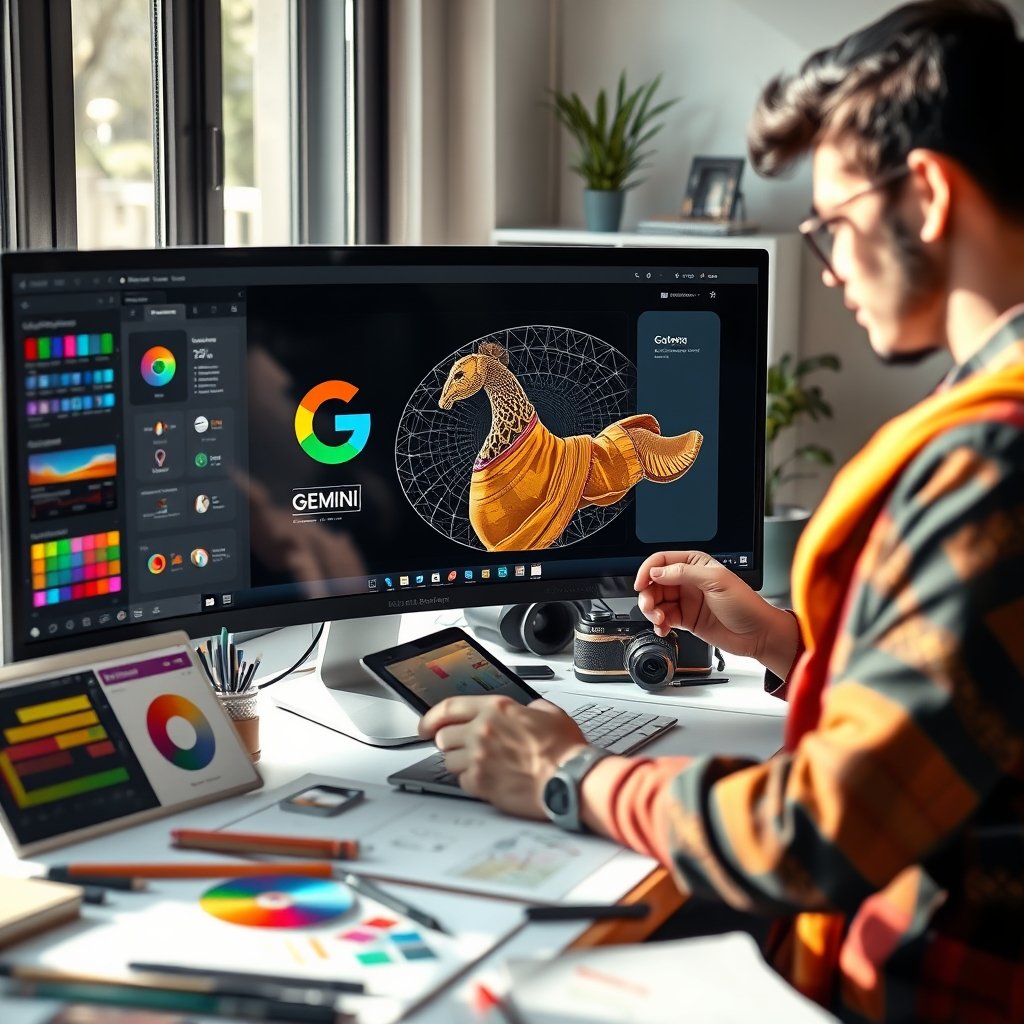
One of the most exciting releases this month is Google’s Gemini Nano Banana image generator tool. Designed for ease of use and high-quality outputs, it allows designers to create complex images from simple text prompts. This tool has quickly gained popularity for its ability to generate detailed and realistic visuals, streamlining the creative process and reducing the need for stock photography.
Furthermore, the Nano Banana tool is integrated with other Google services, enhancing its functionality and accessibility. Designers can now seamlessly incorporate AI-generated images into their projects, saving time and boosting productivity. The tool’s intuitive interface makes it easy for both beginners and professionals to navigate and experiment.
The Viral AI Saree Prompt Phenomenon
A standout feature of the Nano Banana tool is its capability to handle intricate designs, as demonstrated by the viral AI saree prompt. This prompt showcases the tool’s ability to generate beautiful, culturally rich saree patterns, which has captivated the design community and sparked widespread interest in AI-assisted cultural preservation.
In addition, this phenomenon highlights how AI can assist in preserving and innovating traditional art forms, offering new ways to explore cultural heritage through digital means. Designers are using it to create unique blends of modern and traditional aesthetics, opening up new creative avenues.
Enhancing Designer Workflows with Intelligent Automation
Beyond image generation, AI design tools are revolutionizing entire workflows. Features like automated color matching, font pairing, and layout optimization help designers make informed decisions quickly. These tools analyze vast amounts of data to suggest the best design elements, ensuring consistency and aesthetic appeal across projects.
Consequently, designers can experiment more freely, knowing that AI handles the technical aspects, leading to more innovative and effective outcomes. This automation also reduces errors and speeds up the revision process, making client collaborations smoother.
Practical Tips for Integrating AI Tools
For designers looking to adopt these technologies, start by identifying repetitive tasks in your workflow that can be automated. Experiment with different AI tools to find those that best suit your needs, and don’t hesitate to combine multiple tools for optimal results. Begin with free trials or beta versions to test functionality without commitment.
Additionally, stay updated with the latest releases and beta tests, as the field is rapidly evolving. Engaging with online communities, such as design forums and social media groups, can provide insights and tips from fellow designers who are already leveraging AI. Continuous learning is key to mastering these tools.
What the Future Holds for AI in Design
As AI continues to advance, we can expect even more sophisticated tools that understand context, emotion, and user intent. This will lead to designs that are not only visually appealing but also deeply resonant with target audiences. Future AI might predict design trends or generate entire brand identities autonomously.
The key is to embrace these changes as opportunities for growth and innovation. By integrating AI into your creative process, you can stay ahead of the curve and deliver exceptional work that stands out in a crowded digital landscape. Collaboration between human creativity and machine intelligence will define the next era of design.
With these advancements at your fingertips, now is the perfect time to explore how AI design tools can elevate your projects and streamline your workflow. Dive in, experiment, and let technology amplify your creativity to new heights.