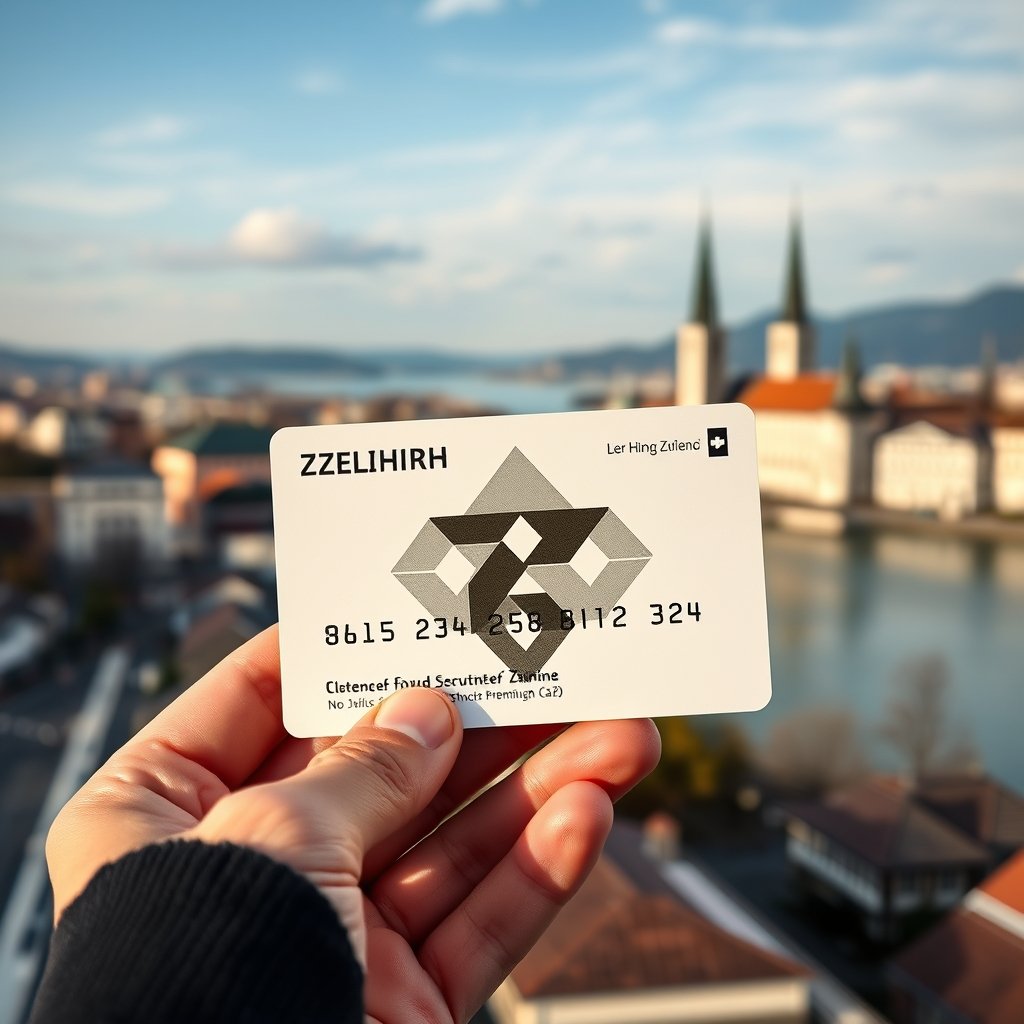
Imagine pulling out a travel pass that’s not just a ticket, but a piece of art. In an era where design intersects with daily life, the Zürich Card has undergone a transformation that turns a simple tourist tool into a statement of Swiss precision and creativity. This flexible visual identity is making waves in how we perceive travel essentials.
This isn’t just about getting around the city; it’s about experiencing design that enhances every journey. The new visual identity of the Zürich Card masterfully blends functionality with aesthetics, making it a pocket-sized showcase of modern branding. As travelers seek more meaningful experiences, such innovations set a new standard.
The Shift from Boring Passes to Design-Centric Travel Essentials
Gone are the days of bland, forgettable tourist cards. Today, cities like Zürich are leveraging design to create memorable experiences. The Zürich Card’s redesign is a prime example of how thoughtful visual identity can elevate a simple utility into a coveted accessory. This shift reflects a broader trend in tourism where design plays a pivotal role.
By embracing Swiss design principles, the card now reflects the city’s reputation for quality and innovation. This not only benefits travelers but also reinforces Zürich’s brand as a hub of design excellence. As travel becomes more competitive, such details can make all the difference in attracting discerning visitors.
Core Elements of the Zürich Card’s Flexible Visual Identity
At the heart of the redesign are three key components: clean typography, modular grids, and a shape-shifting card motif. Together, they form a cohesive system that’s both adaptable and instantly recognizable. Each element is carefully chosen to serve a purpose, ensuring that the card is not only visually appealing but also highly functional in various contexts.
Clean Typography: Enhancing Readability and Elegance
Typography plays a crucial role in the card’s new look. The use of clear, modern fonts ensures that information is easily readable, even at a glance. This focus on legibility reduces friction for travelers navigating a new city. Beyond practicality, the typography adds a touch of sophistication, aligning with the premium feel of the Zürich Card and the city it represents.
In design terms, clean typography minimizes visual clutter, allowing users to quickly access essential details like validity dates or transport zones. It’s a subtle enhancement that significantly improves user experience, making the card both beautiful and intuitive.
Modular Grids: The Backbone of Flexibility
Modular grids provide the structural foundation for the card’s design. This approach allows for consistency across different formats and sizes, from physical cards to digital interfaces. By using a grid system, designers can maintain visual harmony while adapting the card’s layout for various uses, making it a versatile tool in a traveler’s pocket.
For instance, the same grid can be applied to the card itself, promotional materials, and even mobile apps, creating a seamless brand experience. This flexibility is key in today’s multi-platform world, where adaptability is essential for user engagement.
The Shape-Shifting Card Motif: A Pocket-Sized Identity System
Perhaps the most innovative aspect is the shape-shifting motif. This dynamic element changes based on context, symbolizing the card’s adaptability and the diverse experiences Zürich offers. It transforms the card from a static object into an interactive piece, engaging users and creating a deeper connection with the city’s identity.
Whether it’s through color variations or geometric transformations, the motif tells a story, making the card a conversation starter and a memorable keepsake. This clever design choice turns a routine item into an emblem of exploration.
Swiss Design Principles in Action: More Than Just Aesthetics
Swiss design is renowned for its simplicity, precision, and functionality. The Zürich Card embodies these principles, proving that good design is not just about looks—it’s about enhancing usability and experience. For travelers, this means a card that intuitively guides them through Zürich, reducing stress and increasing enjoyment.
By prioritizing clarity and efficiency, the design aligns with the Swiss ethos of quality craftsmanship, making the card a true reflection of its origin. This integration of form and function elevates the travel experience from mundane to exceptional.
Enhancing the Traveler’s Journey Through Design
Beyond the physical card, the visual identity extends to how travelers interact with Zürich. Clear information hierarchy and intuitive layouts help visitors make the most of their time, from hopping on trams to discovering hidden gems. This user-centered approach reduces anxiety and fosters a sense of confidence in exploring.
In essence, the design acts as a silent guide, streamlining the travel process and allowing more focus on the experiences themselves. It’s a testament to how design can humanize technology and services, making every moment of the journey more seamless and enjoyable.
Implications for Urban Branding and Tourism
In the competitive landscape of global tourism, cities are increasingly turning to design to differentiate themselves. The Zürich Card’s new identity is a strategic asset in urban branding, positioning Zürich as a forward-thinking, design-savvy destination. This can influence traveler perceptions, encouraging longer stays and repeat visits.
Moreover, a well-designed travel pass can become a symbol of the city itself, much like iconic landmarks. It reinforces positive associations and builds emotional connections, turning functional items into cherished souvenirs that promote ongoing engagement with the destination.
As you plan your next adventure, consider how such design innovations can shape your experience—because great travel isn’t just about the places you go, but the thoughtful details that accompany you along the way. The Zürich Card’s flexible visual identity offers a glimpse into a future where every journey is enhanced by intentional, beautiful design.