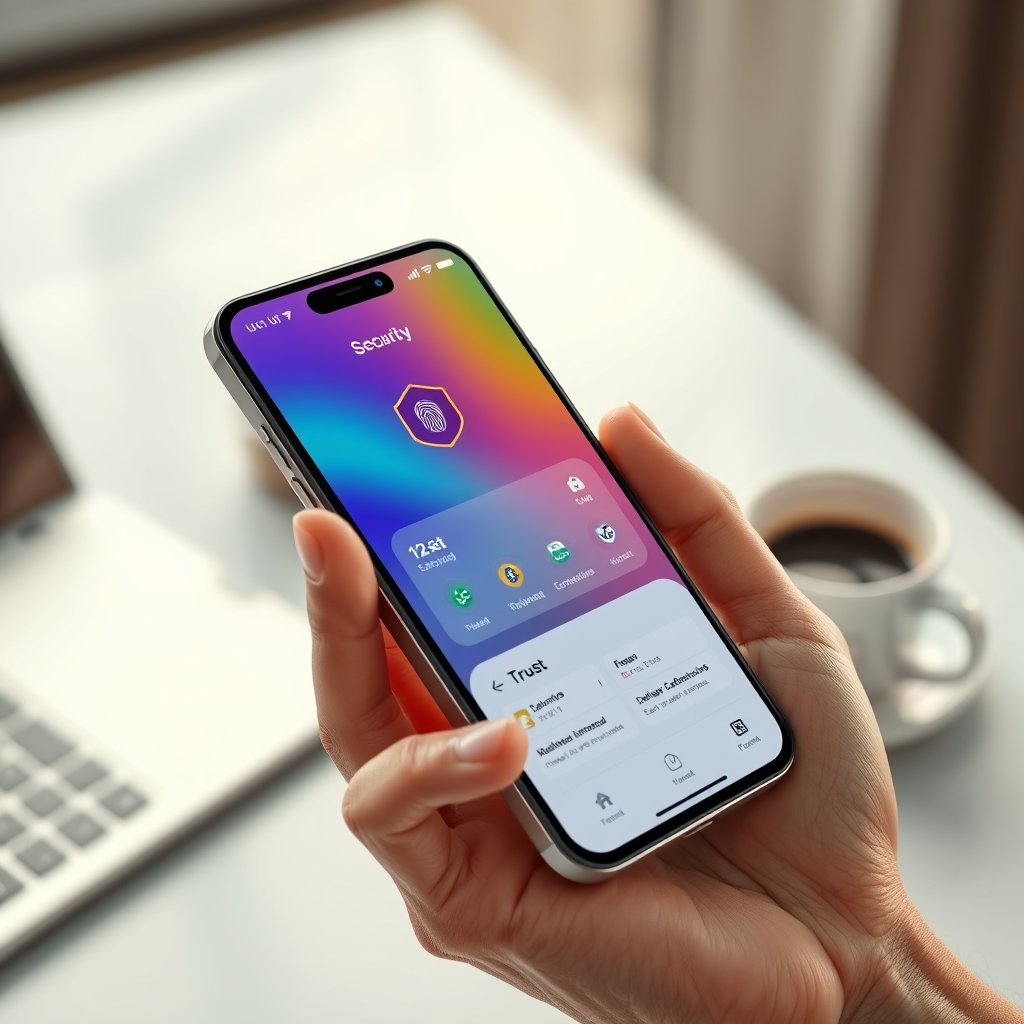
Imagine opening your banking app and feeling a sense of calm and confidence with every tap. That’s the power of exceptional UI/UX design in FinTech apps, where security, trust, and delight converge to create seamless financial experiences. In today’s digital age, where cyber threats loom large, designing interfaces that prioritize user safety while fostering engagement is not just a luxury—it’s a necessity for retaining customers and building brand loyalty.
As financial technology evolves, users demand more than just functionality; they seek intuitive, secure, and enjoyable interactions. This article explores how thoughtful design can balance these elements, ensuring that FinTech apps not only protect sensitive data but also provide a delightful user journey. Let’s dive into the core principles that make this possible.
The Critical Role of Security in FinTech UI/UX Design
Security is the cornerstone of any FinTech application, and UI/UX design plays a pivotal role in communicating and implementing robust protections. Users need to feel assured that their financial information is safe from breaches, which starts with visible security features integrated seamlessly into the interface. For instance, incorporating biometric authentication like fingerprint or facial recognition can enhance security without adding friction to the user experience.
Moreover, design elements such as clear password requirements, real-time fraud alerts, and secure transaction confirmations help build a sense of reliability. By using visual cues like lock icons, encrypted badges, and progress indicators during sensitive processes, designers can reassure users at every step. This approach not only mitigates risks but also educates users on best practices, fostering a culture of security awareness.
Transitioning from security to trust, it’s essential to recognize that these elements are interconnected. A secure app lays the foundation for trust, but how that security is presented through design can make or break user confidence. Let’s explore how transparency and user-centricity come into play.
Building Trust Through Transparent and User-Centric Design
Trust in FinTech apps hinges on transparency and clarity, which UI/UX design can achieve through honest communication and intuitive layouts. Users should easily understand how their data is used, what security measures are in place, and how to navigate complex financial tasks. For example, using plain language for terms of service, along with visual summaries, can demystify legal jargon and make policies more accessible.
Designing for trust also involves creating consistent and predictable interactions. When users know what to expect—such as uniform button placements, familiar icons, and reliable feedback—they develop a sense of control and familiarity. Incorporating trust signals like customer testimonials, security certifications, and transparent fee structures within the app interface can further reinforce credibility.
Furthermore, trust is built over time through positive experiences. By designing error messages that are helpful rather than alarming, and providing easy access to customer support, FinTech apps can turn potential frustrations into opportunities for reinforcement. As we move forward, let’s see how delight complements security and trust to create holistic user experiences.
Delighting Users with Intuitive and Engaging Interfaces
Delight in UI/UX design goes beyond aesthetics; it’s about creating moments of joy and efficiency that make financial management feel effortless and even enjoyable. In FinTech apps, this can be achieved through smooth animations, personalized dashboards, and gamified elements that reward users for positive behaviors, like saving money or paying bills on time. These touches transform routine tasks into engaging experiences.
Intuitive navigation is key to delight, as it reduces cognitive load and helps users accomplish goals quickly. For instance, implementing swipe gestures for transactions, voice commands for inquiries, or AI-driven recommendations for budgeting can streamline interactions. Visual design also matters—using calming color palettes, readable fonts, and high-quality imagery can evoke emotions that align with financial well-being.
Additionally, delight often stems from anticipating user needs. Features like predictive analytics for spending insights, customized alerts for due dates, or seamless integration with other services can make the app feel indispensable. By focusing on these aspects, designers can foster loyalty and encourage word-of-mouth referrals. Now, let’s bring it all together with best practices for integration.
Best Practices for Integrating Security, Trust, and Delight in FinTech Apps
To successfully blend security, trust, and delight, designers should adopt a user-first mindset throughout the development process. Start by conducting thorough user research to understand pain points and preferences, then prototype designs that address these insights iteratively. For example, A/B testing different security prompts can reveal which ones users find least intrusive yet most reassuring.
Another best practice is to prioritize accessibility, ensuring that the app is usable for people with diverse abilities. This includes features like screen reader compatibility, high-contrast modes, and adjustable text sizes, which not only broaden the user base but also demonstrate a commitment to inclusivity—a trust-building factor in itself. Moreover, keeping the interface clean and uncluttered helps users focus on essential tasks without feeling overwhelmed.
Collaboration between designers, developers, and security experts is crucial. Regular reviews can ensure that security measures are implemented without compromising usability, and that delightful elements don’t introduce vulnerabilities. Tools like design systems and style guides can maintain consistency across the app, reinforcing brand identity and user trust. By following these guidelines, FinTech companies can create apps that stand out in a competitive market.
Ultimately, the goal is to craft FinTech apps that users not only rely on but also enjoy using daily. When security feels seamless, trust is evident, and delight is woven into every interaction, financial management becomes a positive part of life. Embracing these principles can lead to higher engagement, reduced churn, and a stronger reputation in the digital finance landscape.