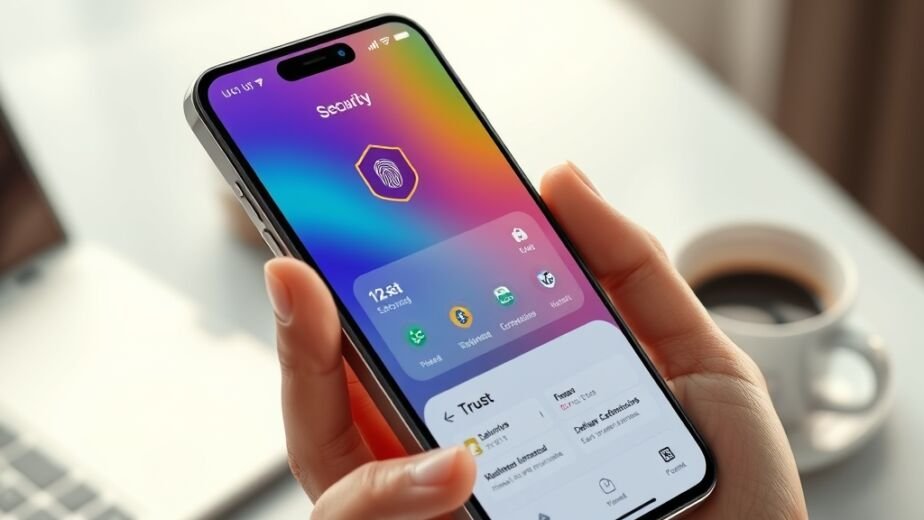
In the high-velocity digital landscape of 2026, reclaiming your web experience has shifted from a luxury to a technical necessity. Have you ever scrolled through your feed and noticed how eerily similar everything looks? Algorithms, designed to maximize engagement, are quietly shaping your online world—often leading to filter bubbles and homogenized content that limit discovery.
To maintain high-authority digital health, users and creators alike must move from passive consumption to strategic curation. This guide explores the mechanical and psychological shifts needed to break the loop.
The Invisible Engine: Understanding Algorithmic Control
Algorithms are the invisible engines curating everything from your social media feeds to your Google search results. By prioritizing content based on your past behavior, they create a cycle that reinforces existing preferences.
For professionals in the creative space, this focus on engagement over diversity creates a “personalization trap.” In the web design and marketing niche, this can lead to “design stagnation,” where you only see trends already popular within your bubble, stifling original Custom Web Design innovation.
The Impact: Filter Bubbles and Content Homogenization
When algorithms dominate, they lead to content homogenization, where similar themes and perspectives are amplified at the expense of variety.
- The Echo Chamber Effect: Diverse cultures and novel solutions are filtered out, making the internet feel like a personalized cage.
- Stifled Creativity: For brands like Ultimate Website Designs, relying on algorithmic feeds can lead to repetitive UI patterns that lack the “Information Gain” required for 2026 search authority.
2026 Technical Deep-Dive: AI Search & The “Privacy-First” Counter-Move
- Why: Modern AI models (LLMs) often prioritize “consensus” data, which can bury niche expertise.
- How: Transitioning to Privacy-First UX and search tools (like DuckDuckGo or Brave Search) prevents trackers from feeding your behavior back into the loop. This allows for a “clean slate” search experience, which is the cornerstone of reclaiming your web experience.
2026 Technical Deep-Dive: Sustainable Hosting & Performance
Speed is a feature of a healthy web experience. To break free from heavy, ad-tracking-laden sites, you must prioritize performance.
- Why: Google’s 2026 “Green Core” update prioritizes sites with lower carbon footprints.
- How: Implement native browser lazy-loading and utilize a CDN that offers edge-computing. This ensures that your journey remains fast and unencumbered by the “bloat” of tracking scripts.
Signs You’re Trapped in an Algorithmic Loop
Recognizing the loop is the first step toward reclaiming your web experience. Common indicators include:
- The Repetition Cycle: Seeing the same five “top trends” across different platforms.
- The Disconnect: Feeling out of touch with broader global movements because your feed is hyper-localized.
- Comfort Over Curiosity: Your “Discover” page no longer actually discovers anything that challenges your current worldview.
Strategy: 7 Steps to Reclaim Your Digital Narrative
1. Curate Your Own Sources (Manual Overhaul)
Instead of relying on an “Explore” tab, go direct. Follow independent newsletters, academic journals, and global news outlets. By bypassing the algorithm’s “middleman,” you ensure a raw stream of high-authority data.
2. Leverage “Information Gain” as a Content Creator
If you are a designer or marketer, break the loop by providing content that isn’t already being echoed.
- Why: Google’s 2026 algorithms specifically reward Information Gain—content that provides a unique perspective.
- How: Use a UI/UX Audit to identify if your site has fallen into the trap of looking like “just another template.”
3. Embrace Intentional Browsing
Set aside time for “Incognito Exploration.” This proactive approach helps counteract the homogenizing effects of algorithms.
4. Implement CSS Container Queries for Flexibility
A diverse web experience requires a diverse interface. By using CSS Container Queries, you ensure that your site adapts perfectly to any context, providing a high-quality experience that doesn’t feel “canned” or repetitive.
5. Prioritize WCAG 2.2 Level AA Accessibility
Accessibility is a form of digital freedom. Ensuring your site meets WCAG 2.2 Level AA standards means you are not filtering out users with different needs, thereby enriching the digital ecosystem for everyone.
6. Diversify Your Search Intent
Don’t just search for answers; search for perspectives. Use “120 DPI SVGs” as a search term to find high-fidelity technical resources rather than generic design blogs.
7. Audit Your Media Diet
Start by identifying gaps. Incorporate international news outlets and independent blogs to broaden your horizons and finalize the process of reclaiming your web experience.
Frequently Asked Questions
[FAQ schema generated by Rank Math]
How do algorithms affect SEO in 2026?
Modern algorithms prioritize E-E-A-T and user experience metrics. If an algorithm perceives your content as “homogenized” or unoriginal, it may fail to index it prominently.
What is the benefit of a curated web experience?
When you take control, you unlock a richer web experience filled with unexpected discoveries. Diverse content fosters creativity, critical thinking, and empathy, enhancing both personal and professional growth..